
On this page
A reed for every age
The oboe reed is not a fixed object — it has been redesigned, quietly and continuously, for three hundred years. Each generation of players asked the instrument for something new — more volume, steadier pitch, easier high notes — and the reed changed to deliver it. To understand any modern reed is partly to understand what it grew out of.
The baroque hautboy reed
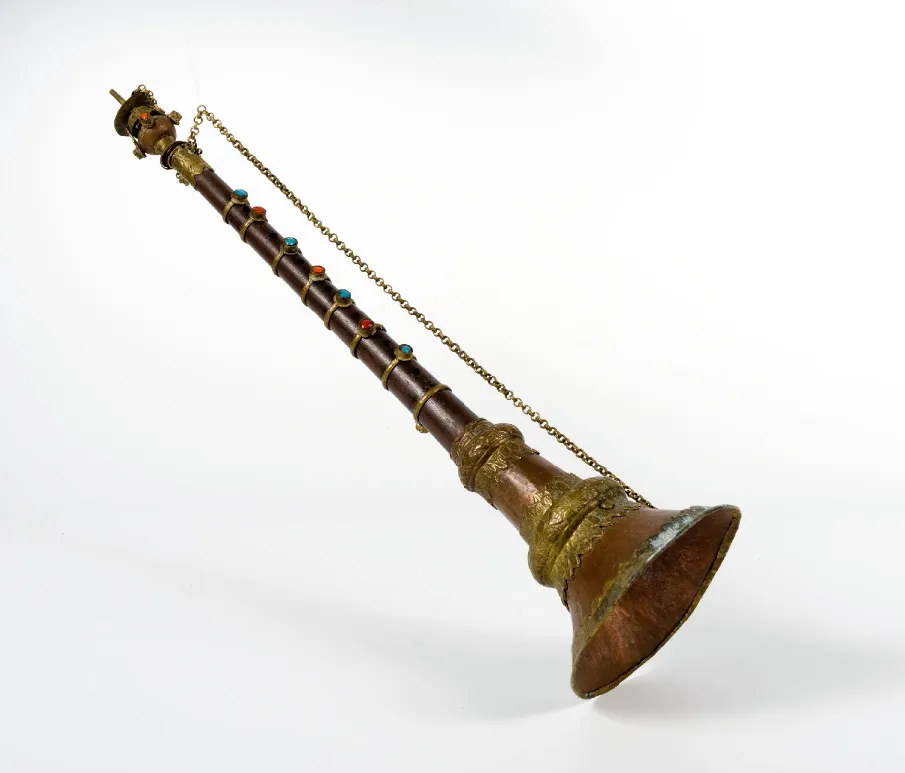
The reeds of the early hautboy were broad and short, with a long, gentle scrape and relatively soft cane. They suited an instrument played at lower pitch in intimate rooms, prizing a sweet, vocal tone over power. Players held the reed further into the mouth, shaping the sound with the lips far more than a modern player does.
The classical narrowing
Through the late eighteenth century the oboe gained keys and the music grew more demanding. Reeds narrowed and the scrape shortened, giving more focus and a steadier pitch to match the new chromatic writing. The reed began its long march from a soft, forgiving object toward a more precise, harder-edged one.
”Long scrape” and “short scrape” remain live regional choices today — broadly, the long French scrape and the shorter American scrape — and both descend directly from these early experiments.
The nineteenth-century divide
As the Conservatoire-system oboe took shape in France, the reed split into schools. French makers favoured a narrow shape and a long, delicate scrape for a bright, reedy tone; German and later American players preferred different shapes and scrapes for darker or more powerful sounds. The instrument had become standard; the reed became the place where national style lived.
The modern scrape
The twentieth century brought louder orchestras, higher concert pitch, and the demand for a reed that could project over a hundred players and still articulate cleanly. The modern reed answers with a defined spine, a carefully balanced heart and a thin, fast tip — the landscape of regions a maker scrapes today. It is the most controlled reed in history, and the most demanding to make.
A continuing story
The reed is still moving. New cane sources, machine gougers, and rising concert pitch keep nudging shapes and scrapes. Whatever a player uses now is a snapshot of a three-century conversation between the music, the instrument and the small piece of cane that gives them voice.